Highlighted Projects
Blom-ECD Projects
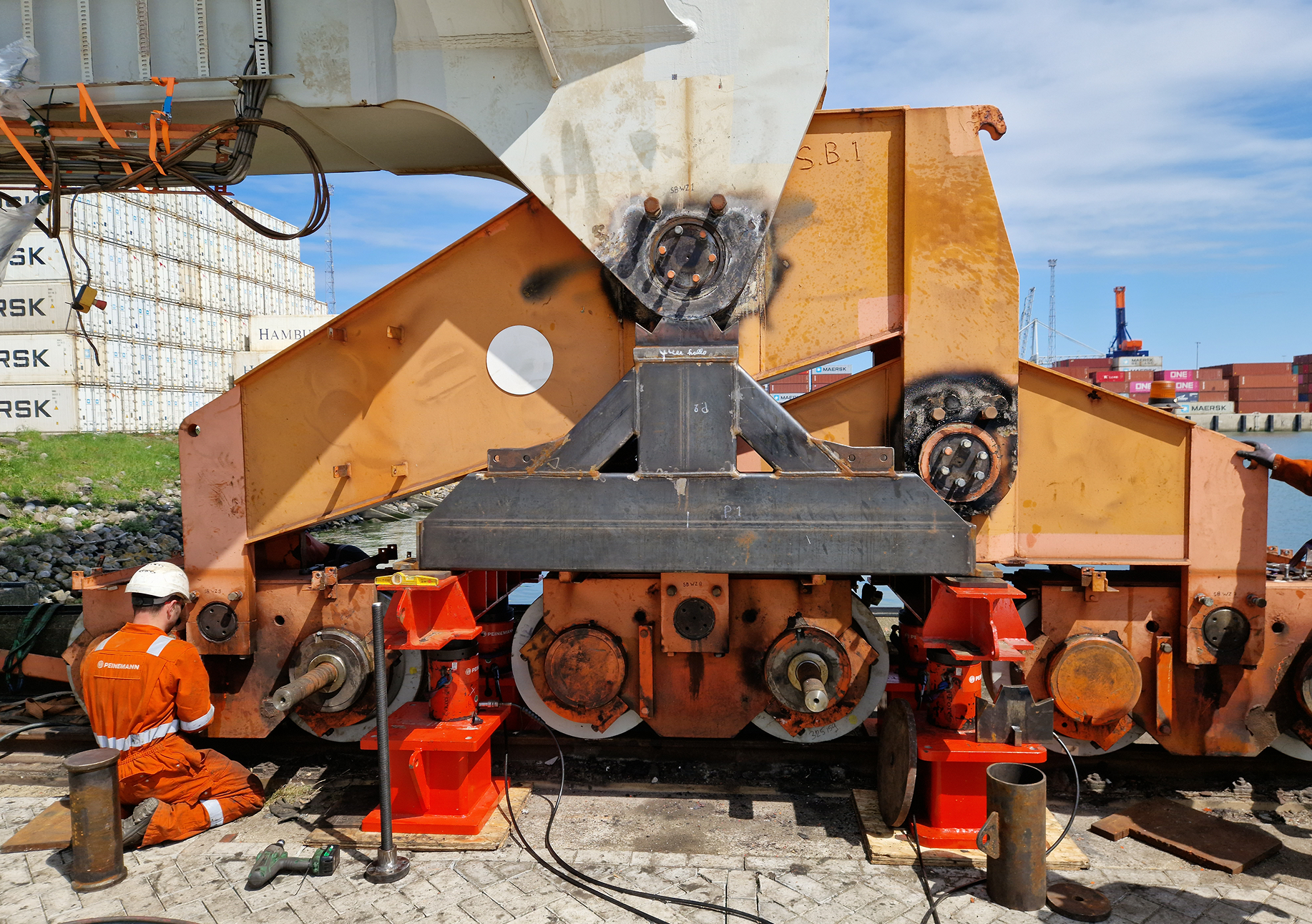
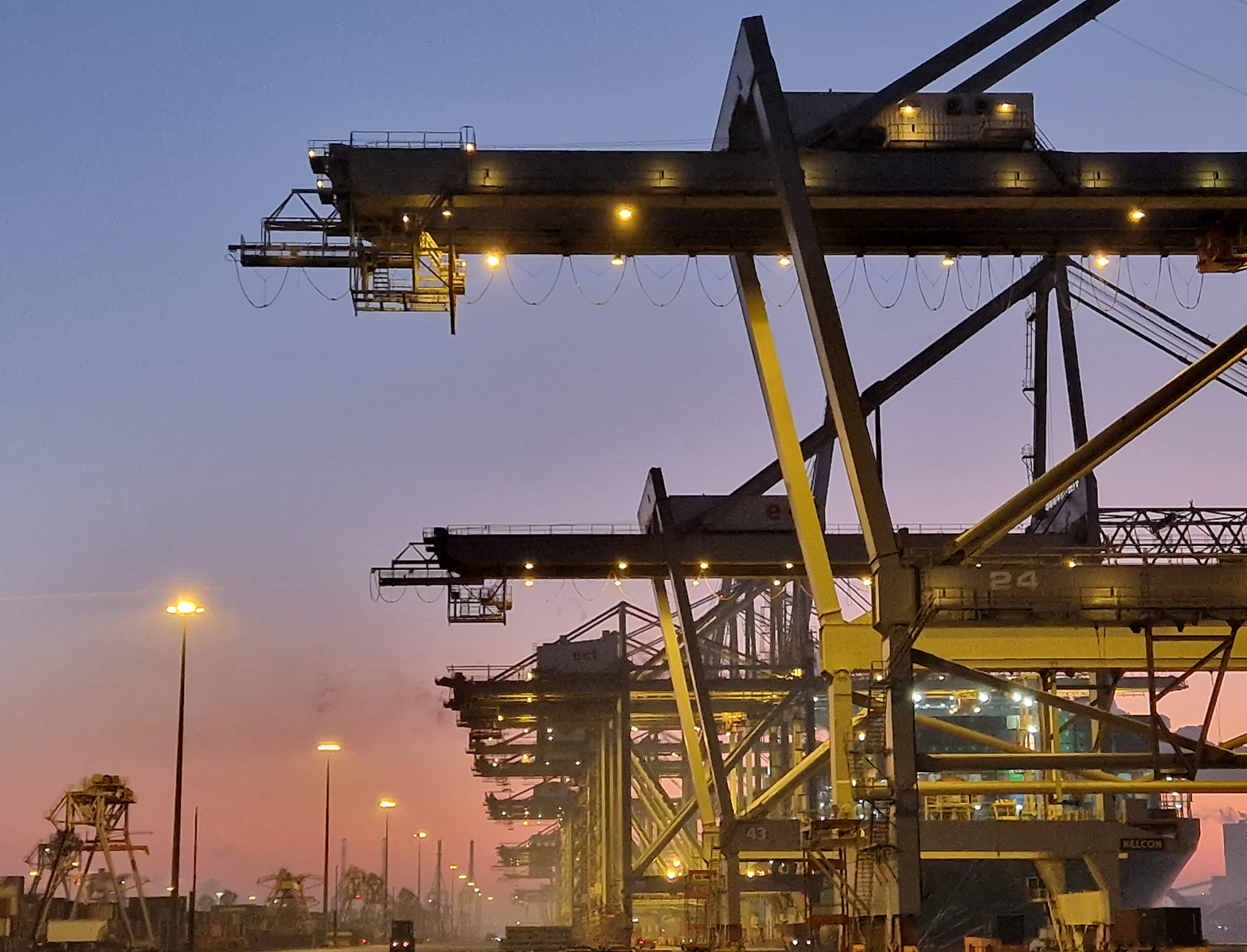
Programma Zero Emissions 2035 – Hutchison Ports ECT
Key areas of expertise are project and program management in the field of equipment and electrification. This includes attention to the procurement and guidance of an equipment fleet, stakeholder management, and integral energy transition within the industry. Values such as responsibility, flexibility, communication, adaptability and positivity are central, always combined with a hands-on approach.
The passion for sustainability was born in part from the valuable lessons learned while working in Antarctica. These experiences have led to a strong focus on contributing to a successful energy transition closer to home.
Projectleider Equipment – Hutchison Ports ECT:
1. Project shore power, cooperation with RSP.
2. Project new grid connection, collaboration with Stedin.
3. Project incorporation of new grid connection.
4. Replacement project and purchase of 77 hybrid Automated Guided Vehicles (AGVs).
5. Repair project Automated Stacking Crane.
6. Repair project Ship to Shore Crane.
7. Replacement project and purchase of Heavy Duty Roll Trailers.

British Antarctic Survey - BAM Nuttall Projects
British Antarctic Survey projects are among the most challenging experiences within Blom-ECD. Several construction and infrastructure projects at locations such as Rothera, Bird Island and King Edward Point involved the development of unique solutions.
The extreme weather conditions and remote location of these sites created unparalleled logistical challenges. Transporting and deploying construction equipment required meticulous planning and coordination. The equipment not only had to withstand temperatures well below freezing, but also be easily maintainable in conditions where support and spare parts were limited.Lorem ipsum dolor sit amet, consectetur adipiscing elit. Ut elit tellus, luctus nec ullamcorper mattis, pulvinar dapibus leo.
The emphasis here was on reliability and redundancy. Every aspect of operations was designed to ensure continuity, with modifications specifically tailored to the unique conditions of Antarctica.
The Antarctica projects began as an employee of BAM International, with Jasper Blom holding the role of Plant Manager (Head of Equipment Services) before continuing to provide further guidance on these unique projects as an independent contractor in the role of equipment consultant.


Equipment Fleet Consultant – Falkland Islands
Blom-ECD supported BAM Nuttall in the development of new port facilities in the Falkland Islands. The work included the development of working methodologies, accurate budgets and the complete planning and mobilization of construction equipment.
Strategic use of both leased and purchased resources achieved a cost-effective and reliable process that met the specific requirements of the remote site. This approach resulted in smooth execution of the work despite the challenges of working in an isolated area.


Major Overhaul Jack-up Barge IB909 - United Arab Emirates
In this large-scale maintenance project, Blom-ECD coordinated the complete overhaul of a 33-year-old self-lifting platform, the IB909. Inspections, testing, fabrication and development of new working methods were carefully carried out to optimize the platform's performance and significantly extend its service life.
Innovatieve Offshore Bouw – Australia
A major iron ore project in Port Hedland played a key role in designing and implementing innovative work bridges and temporary structures. These solutions were essential to reduce cycle times and increase operational efficiency. The project required close coordination of engineering and execution to perform within tight deadlines.
